Voice vs SMS for Dental Patient Reactivation 2026
Explore voice vs SMS for dental patient reactivation, optimize front desk workflows, and reduce daily chaos with practical strategies and tools.
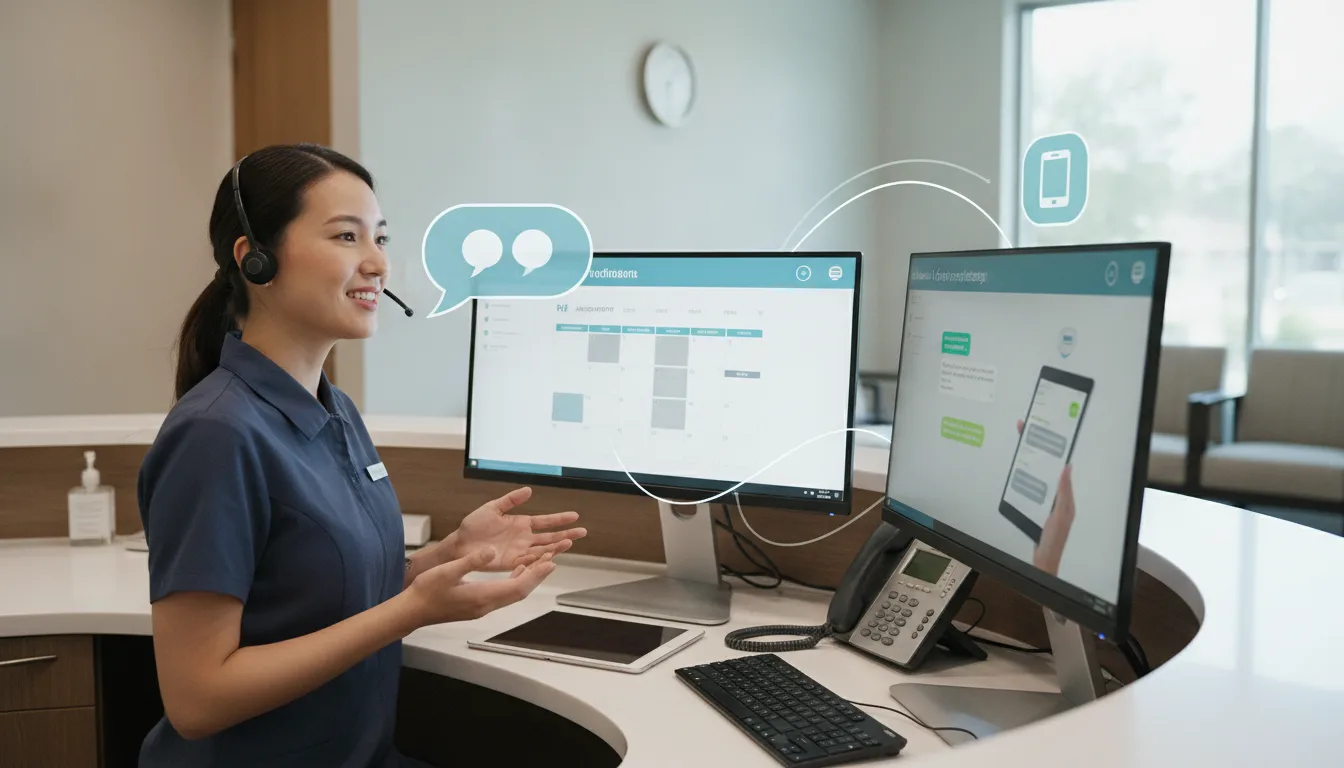
Summary: For dental patient reactivation, voice calls offer a personal touch suitable for complex or sensitive communications, while SMS provides convenience and immediacy, ideal for reminders and confirmations. Practices should choose based on patient preferences and the message's nature, potentially integrating both methods to enhance engagement and improve reactivation rates, thereby reducing front desk chaos and improving patient retention.
A striking 69% of the 1,248 dental clinics in our directory have ratings of 4.5 or higher, yet many still struggle to bring back overdue patients and follow up on unscheduled treatment. The hard part is doing that while the day is already packed with appointments, and the front desk is already juggling too much. Voice and SMS follow-up give practices a cleaner way to reconnect with patients and open up empty slots. In patient retention, the way you talk to people matters more than most clinics admit. Our directory lists 1,796 Dental clinics across 567 cities as of September 2026, highlighting the widespread challenge of patient reactivation.
Key Takeaways
- Voice vs SMS for reactivation: Voice calls feel more personal. SMS is faster and easier to answer. Use the channel that fits the patient and the message.
- Front desk workflow optimization: A clearer workflow cuts down on daily chaos and helps patients have a better experience, which can support retention.
- Patient annoyance concerns: Too many messages annoy people. Match the timing and channel to each patient’s preferences so contact stays welcome.
- Integration proof: Make sure any new system works with Open Dental, so the front desk does not get thrown off and the workflow stays steady.
- Monthly cost considerations: Look at Clinads in terms of both money and staff time when deciding whether it makes sense for patient follow-up.
At a Glance
| Method | Personalization | Convenience | Cost |
|---|---|---|---|
| Voice Calls | High | Moderate | Variable |
| SMS | Moderate | High | Lower |
How to Choose Between Voice and SMS for Dental Patient Reactivation
Choosing between voice and SMS for dental patient reactivation comes down to the practice’s needs and the patient’s preferences. Voice calls bring a personal touch, which helps with sensitive conversations or anything complicated. They also take more time, and they ask more of the staff. SMS is faster. Patients can answer when they want, which makes it a good fit for reminders and confirmations. Many practices will want both, because different patients respond in different ways.
Voice calls can work especially well with older patients who appreciate a live conversation and the reassurance that comes with it. They also fit treatment plans and financial arrangements, where a longer exchange matters. Younger patients, or anyone juggling a packed schedule, may prefer SMS because it is brief and easy to handle later. Segment the patient list, adjust the message, and engagement tends to improve along with reactivation rates.
Optimizing Front Desk Scheduling Workflow
Optimizing the front desk scheduling workflow matters for cutting daily chaos and improving efficiency. A clear system for appointments, callbacks, and follow-ups helps the team stay organized. Tools like the Clincy Dental Patient Reactivation Scripts can keep things consistent and reduce mistakes. Digital scheduling systems that sync with patient records can also cut double bookings and make communication clearer. Staff training matters too. When everyone knows the same process, errors drop and the patient experience improves.
Digital scheduling tools can send reminders and confirmations automatically, which gives front desk staff more time for in-person conversations. They can also show appointment trends, so practices can spot busy periods and staff accordingly. When these tools are tied into existing patient management systems, information moves without friction and scheduling conflicts become less likely. Regular audits of scheduling processes can surface weak spots before they become a problem, so the system stays useful (Florida Atlantic Medical Group, 2023).
Reducing Front Desk Daily Chaos
Daily chaos at the front desk gets smaller when people know who handles what, and when they have the right tools in reach. Clear instructions matter. So does training that keeps everyone current. AI-driven tools from Clinads can take some of the pressure off, but the basic work still has to be organized. A standard routine for common tasks helps too. If follow-up calls or messages happen at set times, the staff is less likely to get pulled away from patients who need help right now.
A structured front desk starts with priorities that people can see at a glance. Color-coding urgent, important, and routine work gives the team a quick way to sort the day. Checklists help as well, because forgotten tasks tend to create their own mess later. Open conversation among staff can expose bottlenecks before they grow teeth. That kind of setup does more than keep the desk tidy. It also helps morale, and patients feel the difference.
Evaluating AI Voice/SMS Tools for Dental Practices
Picking an AI voice and SMS tool means looking at integration, cost, and what it does to patient satisfaction. Clinads is one example. It can handle follow-ups and cut down the load on the front desk. The tool should work with Open Dental without creating extra steps for staff. User experience matters too, along with vendor support. A clunky system, or one with weak help when things break, can create more annoyance than relief.
A trial period is worth the trouble. Use it in live conditions, not just in a demo. Watch response rates, patient satisfaction, and appointment reactivation rates. Ask staff what slowed them down. Ask patients what felt clear or confusing. Those answers matter more than a sales page. If the tool fits the practice’s goals and daily workflow, communication gets cleaner and patient retention has a better shot.
The Role of Patient Preferences in Communication
Patient communication works better when it matches how people want to be reached. Some patients like SMS because it is quick and brief. Others still want a phone call, where a human voice can answer questions in real time. Surveys can reveal those habits. So can feedback collected during visits. When the practice adjusts to those preferences, satisfaction tends to rise, and follow-up is more likely to land. That kind of attention can set a practice apart, and it can lead to repeat visits and referrals.
A preference management system makes this easier. Patients can record how they want to hear from the office, and that information can live inside the patient management software so the whole team sees it. Preferences should also be checked from time to time, since people change their minds and old records go stale. Keep the information current, and the communication plan stays useful. Treat preferences seriously, and the relationship with the patient gets stronger.
Conclusion
A balanced mix of voice and SMS follow-ups can improve patient reactivation while taking some of the disorder out of the front desk day. Better workflows help. So do AI tools. When practices use both with care, patients show up more often and the office runs with less friction. For more detailed guidance, explore our Open Dental reactivation walkthrough. Paying attention to communication habits and to patient preferences gives the practice a better chance at long-term stability.
Frequently Asked Questions
What is the best method for dental patient reactivation?
For dental patient reactivation, the answer depends on who you’re trying to reach and how they like to hear from a practice. Voice calls feel more personal. SMS is easier to fit into a busy day. In practice, the strongest results usually come from using both, since one patient may answer a call while another will reply to a text a few minutes later.
How can I optimize my front desk scheduling workflow?
A better scheduling workflow starts with fewer moving parts. Keep the scripts steady, cut down on improvising at the desk, and use tools that take repeat work off staff hands. Tools like the Clincy New Patient Phone Script can help keep the process steady from one call to the next. Digital scheduling systems help too, and so does regular staff training, since people remember procedures better when they hear them the same way every time.
How do I reduce chaos at the dental front desk?
Chaos at the front desk usually comes from unclear handoffs and too many tasks landing on one person at once. Clear communication helps. So does dividing up work before the phone starts ringing. Training matters as well, and AI-driven tools can improve productivity and patient satisfaction when they fit the office’s actual routine, according to Hindsait, Inc. Standard protocols for common tasks keep the desk from turning into guesswork, and everyone needs to know where their responsibilities begin.
What should I consider when choosing AI tools for my dental practice?
Start with whether the tool connects to the systems you already use. Then look at cost, patient satisfaction, and whether the product fits the way your office already works. A tool can look impressive and still be awkward at the desk. User-friendliness matters because staff will live with it every day. Vendor support matters too, because problems appear at the worst times, and you want someone who will answer when they do.
Related reading
- Challenges in Insurance Verification for Dental Practices
- Effective Staffing Solutions for Dental Practices
- Dr. Joan Jerrido Camden: Handling Patient Complaints
- 8 Best Marketing Software Picks for Solo Practitioners Under $500 Monthly in 2026
Sources
- Clinads (healthcare startup)
- Pediatric Urgent Care in Anaheim | Walk-In Clinic
- Gordon PT: Physical Therapy North Andover, MA (clinic)
Where to go next
Clincy keeps treatment conversations moving with personalized texts, human support, and scheduling in your practice management system.
Book CallMore from the blog
Dental Treatment Coordinator Follow-Up Workflow 2026
Explore effective follow-up strategies and AI tools for dental clinics, featuring insights from 1,796 listings across 567 cities as of September 2026.
How to Prioritize Overdue Dental Patients for Follow-Up
Explore patient reactivation strategies for dental practices, including AI tools, recall workflows, and outreach scripts to boost completed visits.