Dental Treatment Coordinator Follow-Up Workflow 2026
Explore effective follow-up strategies and AI tools for dental clinics, featuring insights from 1,796 listings across 567 cities as of September 2026.
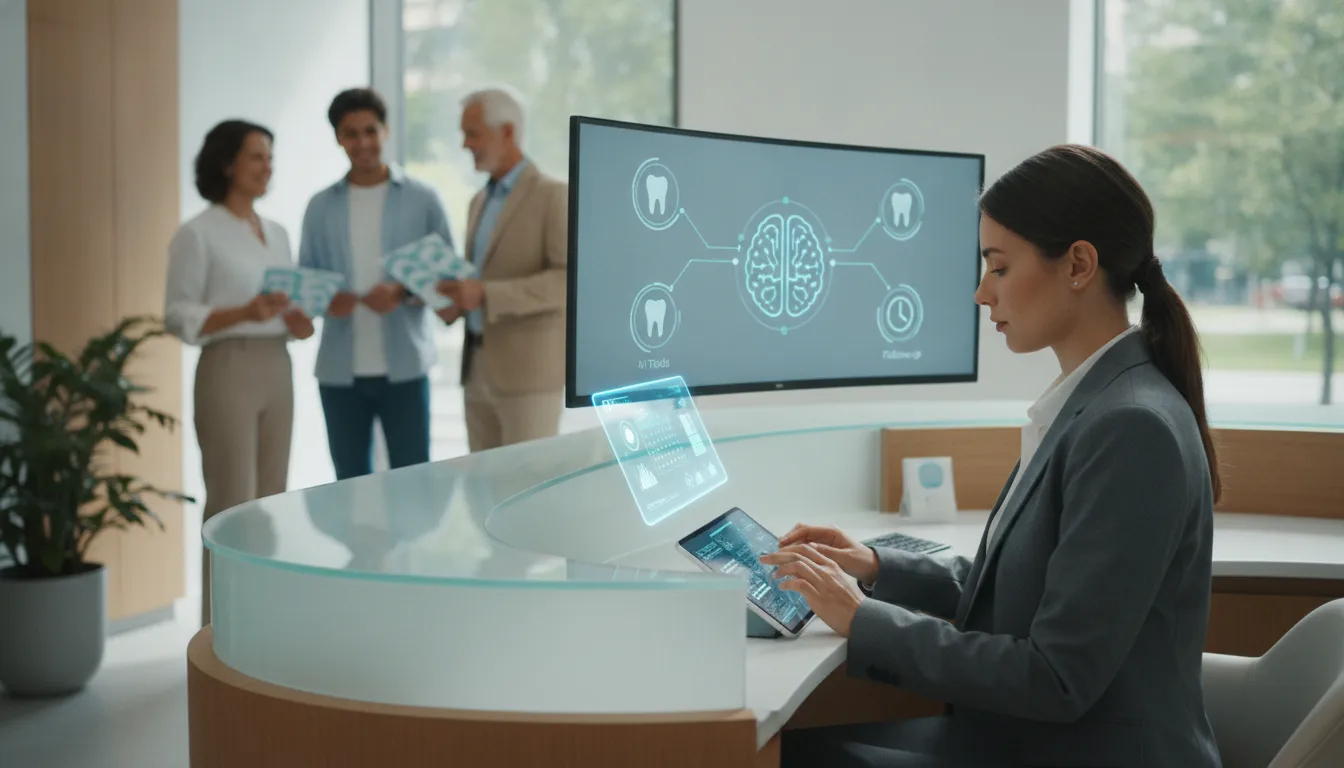
Summary: A dental treatment coordinator follow-up workflow involves leveraging technology and understanding patient preferences to enhance patient engagement and increase completed visits. Effective follow-up is crucial for maintaining patient health and practice profitability, and can be achieved through a combination of AI tools, manual strategies, and integration with systems like Open Dental. This approach ensures efficient communication, reduces staff workload, and improves patient satisfaction.
A surprising 69% of the 1,248 listings that carry a rating are rated 4.5 or higher, yet unscheduled treatment follow-up still slips through the cracks. Dental offices hit this problem all the time. Reactivation gets pushed aside because phones ring, chairs turn over, and someone is always halfway through something else. With the right workflow, a practice can bring patients back without turning the front desk into a call center. Our directory lists 1,796 Dental clinics across 567 cities as of September 2026, which says plenty about how common this problem is.
Key Takeaways
- Effective follow-up matters: If unfinished treatment sits too long, money walks out the door and patient health can slide. A clear follow-up routine keeps both in view.
- AI tools cut repetitive work: AI-powered systems like Clincy can send reactivation messages and reminders, so staff spend less time on routine outreach.
- Patient preferences matter: If a patient hates phone calls, calling again only irritates them. Using the contact method they prefer usually gets a better response.
- Integration with Open Dental: When follow-up records live inside the practice system, staff can see what happened, what still needs attention, and where mistakes might happen.
- Cost considerations: Compare the monthly price of AI tools with the extra completed visits they might bring in. That math matters.
- Hybrid approaches offer balance: Some patients want a person, some are fine with automation. A mixed workflow handles both without making everything feel scripted.
At a Glance
| Strategy | Benefits | Challenges | Best for |
|---|---|---|---|
| Manual Follow-Up | Personal touch, low cost | Time-consuming, inconsistent | Small practices with few patients |
| Automated AI Tools | Efficient, scalable | Initial setup, cost | Medium to large practices |
| Hybrid Approach | Balance of personal and automated | Requires coordination | Practices with diverse patient needs |
Why Unscheduled Treatment Follow-Up Matters
Unscheduled treatment follow-up protects patient health and practice revenue. When treatment stalls, the mouth does not wait politely. Small problems can turn into bigger, more expensive ones, and patients end up paying for the delay. The American Dental Association notes that steady follow-up raises the odds that people finish their treatment plans. Practices that keep after these cases tend to see better retention and higher satisfaction too.
Leveraging AI for Efficient Follow-Up
AI tools like Clincy give practices a cleaner way to manage unscheduled treatment follow-ups. They take over routine reminders and reactivation messages, which leaves staff with fewer repetitive tasks. That matters on busy days. The team can stay focused on care instead of chasing the same list over and over. These systems can also shape messages around patient history, which often gets a better response. They can sort through patient data, spot patterns, and point to future needs before trouble shows up.
Building a Patient-Centric Follow-Up Workflow
A follow-up workflow centered on patient comfort starts with knowing how people want to be contacted. Practices should use tools like the New Patient Phone Script so messages stay consistent from one touchpoint to the next. They should also record each interaction in Open Dental. That makes it easier to see progress, track results, and learn from past attempts. When follow-up feels easier for the patient, the experience improves, and loyalty tends to follow. Referrals do too.
Integrating Follow-Up Strategies with Open Dental
Open Dental matters a lot when a dental office has to track follow-up work. It keeps patient contact details in one place, which saves the front desk from guessing and keeps clinicians from working off scraps of memory. Practices can use the New Patient Intake Form Template to collect information faster, and new-patient intake feels less awkward when the handoff is organized. That link also reduces mistakes. It helps follow-up happen while the case details are still fresh, which matters more than it sounds at first. Open Dental also gives practices reports they can read without squinting, so it becomes easier to see whether follow-up is working or where patient care needs attention.
Evaluating the Cost and Benefits of AI Tools
AI tools for follow-up come with a price tag, so practices have to look at both sides of the ledger. Money leaves the office at the start. Missed visits may drop. Patients may leave happier than they did before. The tradeoff looks different in a small office than in a busy one, and that gap matters. The best choice depends on patient volume, staffing, and the kind of follow-up work the team is trying to fix. These tools can also produce data that shows weak points and gives the practice something concrete to adjust over time. If the return makes sense, the spending is easier to defend.
How to Choose the Right Follow-Up Strategy
The right follow-up plan depends on what the practice can handle and what its patients expect. A small office with light volume may do fine with manual outreach, even if it takes more staff time. That approach feels personal, and some patients care about that. Larger practices run into a different problem. Manual calls and notes start eating the day. In those settings, automated AI tools can take on more work without bogging the team down. A mixed setup can sit in the middle and cover both cases. Patient age, staff availability, and budget all belong in the decision.
The Role of Staff Training in Follow-Up Success
Staff training matters a great deal in follow-up success. According to The Daily Pennsylvanian, 2026, AI tools can improve clinical decision-making, but only if staff are properly trained to use them.
People need to know how to use AI tools and practice management systems without fumbling through each step. They also need practice with the human side of the job, since empathy and active listening still matter when a patient has not scheduled treatment yet. Training cannot be a one-time event. New software arrives. Routines change. The team needs refreshers. When practices keep training staff, follow-up gets steadier, and patients notice the difference.
Conclusion
A structured follow-up process for unscheduled treatments helps dental practices improve patient outcomes and bring in more revenue. AI tools and systems like Open Dental can make the work less messy and more consistent. Practices still need to think about patient preferences and cost before they settle on a plan. Once the process is in place and handled well, the practice can keep more patients, earn more, and build a stronger name in the community.
Frequently Asked Questions
How can AI tools improve unscheduled treatment follow-up?
AI tools take the dull, repetitive parts of follow-up off the staff’s plate. They can send reminders, then circle back to the people who go quiet. The messages can shift with a patient’s history, so they feel less canned and usually get a better response. The systems can also read patient data, then point to likely next steps before the practice gets backed into a corner.
What are the benefits of integrating follow-up strategies with Open Dental?
When follow-up work stays inside Open Dental, every patient touchpoint lands in one place. Team members can check what happened without digging through separate notes, and fewer steps slip by unnoticed. Open Dental also gives practices reports they can use to see whether follow-up is working, then adjust care from there. Those reports matter because they show patterns, not just one odd result.
How do patient preferences impact follow-up success?
If a practice ignores how someone wants to hear from them, irritation usually follows. People respond more when the outreach matches the preference they gave. That small fit changes the feel of the exchange. It also tends to improve satisfaction, which can build loyalty and bring more referrals over time. A phone call, a text, or an email can land very differently from one person to the next.
What should practices consider when choosing an AI tool for follow-up?
Cost matters. Practices should weigh the monthly fee against the visits the tool may bring back. They also need to look at patient volume and the size of the gaps they want to close. A small office and a busy clinic won’t want the same setup. Existing systems matter too, along with the support the vendor actually gives after the sale.
How can practices ensure consistent follow-up messaging?
Tools like the New Patient Phone Script help keep the wording steady from one patient to another. Logging each interaction in Open Dental makes it easier to see progress and spot where things stalled. That record helps later, when the team wants to improve the process instead of guessing. Regular staff training matters here, and plain talk does too, so everyone knows who sends what, when, and why.
Related reading
- Effective Staffing Solutions for Dental Practices
- Implementing AI Imaging in Dental Practices: A Strategy Guide
- What a 3-Star Doctor Rating Actually Means: A 2026 Guide
- Urgent Care vs Walk-In Clinics: A 2026 Comparison Guide
Sources
- Clinads (healthcare startup)
- New Penn Med AI tool aims to improve clinical decision-making - The Daily Pennsylvanian (news, thedp.com)
- Clincy (healthcare startup)
Tools you can use
Where to go next
Clincy keeps treatment conversations moving with personalized texts, human support, and scheduling in your practice management system.
Book CallMore from the blog
How to Prioritize Overdue Dental Patients for Follow-Up
Explore patient reactivation strategies for dental practices, including AI tools, recall workflows, and outreach scripts to boost completed visits.
AI Technologies Revolutionizing Dental Imaging by 2026
Explore AI integration in dental practices: benefits, costs, and patient satisfaction. Discover how AI can streamline operations and enhance patient care.