Starting a Dental Practice in Small Towns: A Comprehensive Guide
Explore the challenges and solutions for starting a dental practice in small towns, focusing on patient intake, insurance verification, and marketing strategies with AI automation.
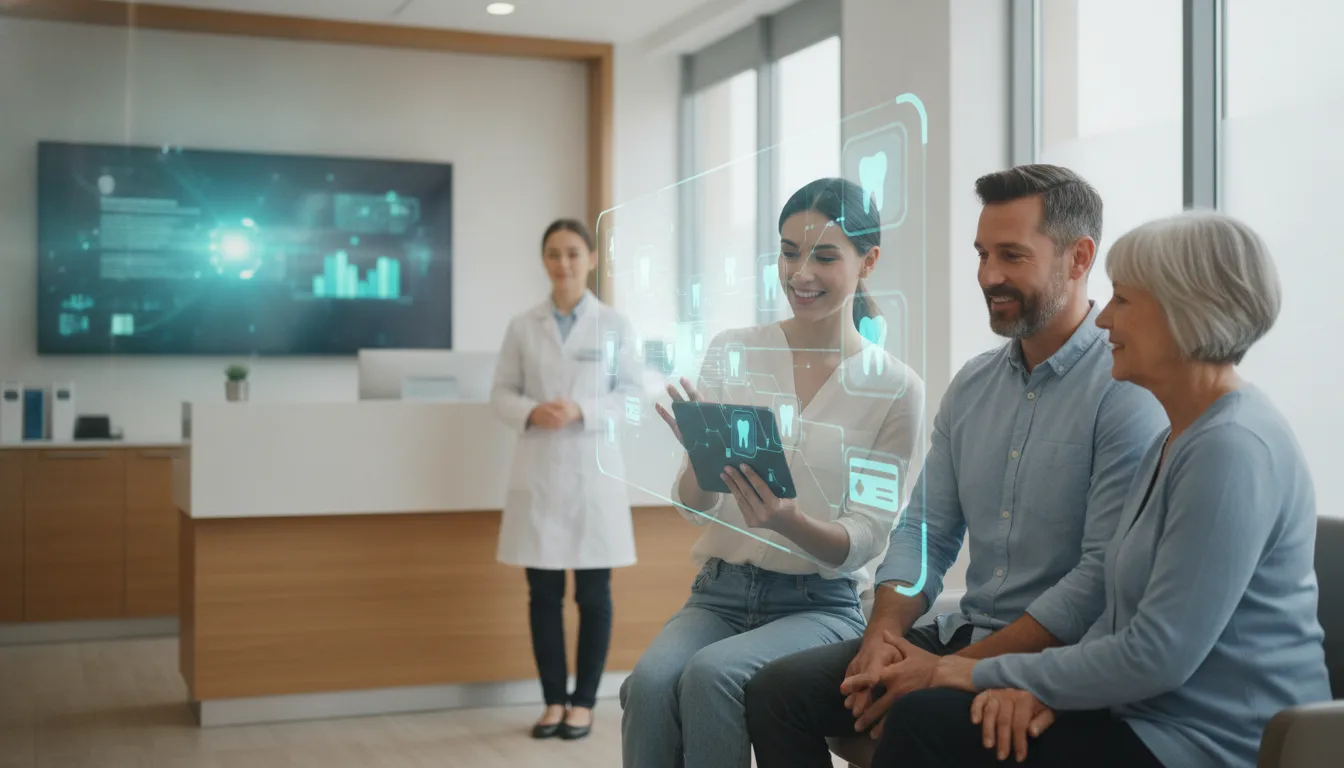
Summary: Starting a dental practice in a small town requires strong local visibility, effective use of AI tools for patient intake and insurance checks, and community engagement. With 78% of local searches converting into offline visits, appearing in search results and maintaining a complete Google Business profile are crucial. AI automation can streamline operations, while community involvement builds trust and encourages patient loyalty.
Starting a Dental
Practice in a Small Town: Challenges and Opportunities
A small-town dental office lives by different rules. The patient pool is thin, so every new chart matters. Hope is a lousy strategy.
One striking fact is that 78% of local searches convert into offline purchases, which says a lot about local visibility for dentists. If people in town never see you, they won’t think of you when a tooth starts acting up. For practice owners and managers using Open Dental, AI voice and SMS intake tools can trim some of the grind from new-patient intake and insurance checks.
Key Takeaways
Local visibility matters here. 78% of local searches convert. In a small town, people remember the office that shows up in search results, keeps its Google Business profile complete, and actually reads the reviews it gets. A few mentions in community forums or local groups can help too. Silence travels fast.
AI automation saves staff time. Voice and SMS tools can handle intake and insurance verification without dragging the front desk into every step. Scheduling, reminders, and follow-ups can run through those systems, which leaves staff with more time for patients instead of paperwork. Cleaner data also means fewer billing mistakes and fewer claim headaches.
Patient experience still decides a lot. When the office runs smoothly, people notice. Wait times shrink. That gets talked about in a town this size. Good word of mouth can keep a practice busy, and patients who feel comfortable tend to come back, then send their neighbors.
Marketing has to fit the town. Agencies like Clinads can help bring in bookings, but the work has to match the local audience rather than some generic template. Clinads focuses campaigns on local demographics, which can help a practice reach people who are actually likely to book. It also gives you blog and social content that sounds like it belongs in the community.
Technology needs to work together. Open Dental and AI tools can make day-to-day management easier when records, billing, treatment planning, and communication all line up. You also get a clearer view of how the practice is doing. That matters when growth is on the table.
Challenges of Starting a Dental Practice in Small Towns
Opening a dental office in a small town sounds simple until you look at the numbers. There just aren’t many people. That means every chair matters, and every new patient matters even more.
Small towns can be thin on support for new businesses, too. Paperwork piles up. So do startup costs.
The patient mix brings its own headaches. Many small towns have older residents, and that often means more dentures, more periodontal work, and more specialized training. If you bring in a specialist, the budget feels it fast.
Then there’s local loyalty. People already have a dentist they trust, sometimes for years. New offices have to earn that trust one visit at a time, and that takes patience.
Professional growth can be awkward as well. In a city, a dentist can drive across town for a conference or workshop. In a small town, the trip can eat a day and a chunk of cash.
Money is tight for many patients. Some delay care. Some skip it entirely. A practice that ignores that reality will feel it in the schedule, so payment plans and discounts can matter a lot.
Importance of Local Visibility
If nobody can find you, they won’t call. Simple as that.
Local visibility matters because 78% of local searches converting into offline purchases, and a dental practice has to show up where people are already looking. Search results, maps, and review pages do a lot of the work before a patient ever walks through the door.
Local SEO starts with the basics. Claim the Google My Business listing. Keep the name, address, and phone number identical everywhere. Ask happy patients to leave reviews. Those steps help the practice show up when someone searches nearby for care.
Social media has a place here too. Facebook and Instagram let a practice speak to the town instead of shouting into the void. A steady stream of local updates and patient stories can make the office feel familiar before anyone books.
Offline visibility still counts. A booth at a town event, a sponsorship, a handshake with another local business, these things put a face on the practice. People notice that. Trust grows faster when the office looks rooted in the town, not dropped in from somewhere else.
Using AI for Patient Intake and Insurance Checks
AI can take the front desk grind and make it less ugly. Voice tools and SMS intake systems can collect new patient details and verify insurance coverage without staff chasing every form by hand.
That means fewer mistakes. Less back-and-forth, too. Staff get time back for actual care.
Routine work suits this software well. Appointment reminders go out on their own. Follow-ups do too. Patients can fill out intake forms online and confirm coverage before they ever sit down in the waiting room. The waits shrink.
AI also spots patterns in patient data. A system can flag people who are due for a checkup, or who may need a certain treatment path. That kind of list is useful. It helps a practice reach out earlier and keep the schedule fuller.
Communication gets easier as well. Automated messages can send appointment updates and treatment notes at the right moment, so patients are not left guessing. People notice that. They usually like it.
Solutions for Effective Marketing
A marketing agency like Clinads can help a practice show up where it matters. Clinads works with dental and medical clinics, and it uses AI-based tools to manage campaigns meant to bring in patients and keep them coming back. The aim is plain, reach the right people.
Small-town dental marketing has its own pace. Local events help. Community health fairs help too. So do ties with nearby businesses and groups, which can turn into referrals without much drama.
Content still matters. A blog post about a common dental worry, a short video, or a newsletter can make the practice look like a place people trust. Put that material on the website and on social channels, and it keeps working after you hit publish.
Personal messages can work especially well in a small town. Generic copy often falls flat. If the practice talks about the services people nearby actually ask for, the response is usually better.
Implementing Technology in Practice Management
Open Dental plus AI tools can make daily management less messy. Patient intake, scheduling, and the rest of the front office get easier to handle, and the team can spend more time on care. For more insights, explore our article on Selecting Practice Management Software for Small Dental Offices.
Open Dental covers the basics, records, billing, treatment planning. Add AI tools to that setup, and you can pull in practice performance data and patient trends. That helps with decisions. It also helps with planning, which matters when the calendar is crowded.
Communication inside the office improves too. Secure messaging cuts down on crossed wires. Patient portals give people a way to see records, book visits, and send notes to the dentist without calling first.
Inventory is another place where software pays off. Automated tracking shows what supplies and equipment are being used, so the practice can avoid running short or stuffing closets with extras it does not need. Less waste. Fewer surprises.
Building a Community-Focused Practice
In a small town, reputation travels fast. That cuts both ways.
If you want a practice to last, you have to know people before they need a root canal. Strong ties with patients and neighbors can bring repeat visits and the kind of referrals money can't buy. Free check-up days and educational workshops help too, because they show up as useful before they show up as promotional.
Schools and local groups matter here. A short oral health talk at a school, or a charity outreach effort with a local nonprofit, puts the practice in front of people who will remember it later. These efforts also make the office look like part of town life, which is exactly the point.
The waiting room matters just as much. Patients notice whether they feel respected, rushed, or ignored. Staff training in cultural competence and plain customer service can change the feel of the whole place. Small thing, big effect.
Community events help as well. A team sponsorship, a fundraiser donation, or a simple presence at a town event can keep the practice visible without feeling pushy. That kind of involvement builds trust slowly, which is usually how trust gets built.
Conclusion
Starting a dental practice in a small town takes planning, good local visibility, and the right tools. AI can help with intake, insurance checks, and scheduling, and it can save staff from doing the same clerical chores all day. Marketing still matters. So does community work. Consider working with experts like Clinads if you want more reach and a steadier presence in town.
Frequently Asked Questions
How can
I improve my dental practice's local visibility?
Local visibility starts online. Keep local SEO in shape, stay active on social media, and make sure the practice appears in local directories. A marketing agency like Clinads can help with that too.
What
are the benefits of using AI in dental practice management?
AI can handle patient intake, insurance verification, and appointment scheduling with fewer mistakes. Staff get time back. Patients notice the difference in how quickly things move.
How do
I attract new patients to my small-town dental practice?
Use local marketing, give patients a good experience, and use technology where it actually helps. People talk, and in a small town that talk matters. For more tips, read our article on Attracting New Patients to Private Dental Practices.
Why is insurance verification important for dental practices?
Insurance verification helps patients understand coverage and likely out-of-pocket costs before the bill lands. It also cuts down on billing errors. Learn more about this in our article on Challenges in Insurance Verification for Dental Practices.
What
role does technology play in modern dental practices?
Technology speeds up office work and makes the patient side less awkward. It also keeps the practice running with fewer bottlenecks. The result is a calmer workflow and better care.
Related reading
- 7 Healthcare Marketing Software Platforms With the Tightest
- Effective Patient Communication About Delays and Wait Times for Bradenton Cardiology Clinics
Sources
- Clinads
- Remote Wellness Package
- Pediatric Urgent Care in Anaheim | Walk-In Clinic
- Florida Atlantic Medical Group - Primary Care
- Optum Ear, Nose and Throat (Otolaryngology) - Glen Cove, NY
- Weight Loss Center in St. Augustine | Crescent Beach Care
- Plattsburgh Family Health: Quality Primary Care...
- Cancer Institute
- Mount Carmel Heart & Vascular Specialists Hilliard
- Christopher Y. Maeda, MD | Bothell, WA - Providence
- Heart Center Doctors in Bradenton | HCA Florida Blake Hospital
- Find occupational health in Midland, MI
- starting a new dental practice in a small town
Clincy completes new-patient intake by voice or SMS before the visit, then writes it back to your PMS.
Book CallMore from the blog
Selecting Practice Management Software for Small Dental Offices
Considering new dental practice management software? Learn how to evaluate vendors, integrate AI automation, and improve patient retention in 2026.
Attracting New Patients to Private Dental Practices
Discover effective strategies for attracting new patients to your dental practice using AI-powered marketing and automation tools.