How to Handle Replies to Dental Reactivation Texts
Explore dental reactivation scripts, handling replies, and AI tools for patient follow-up. Learn about integration, costs, and patient preferences.
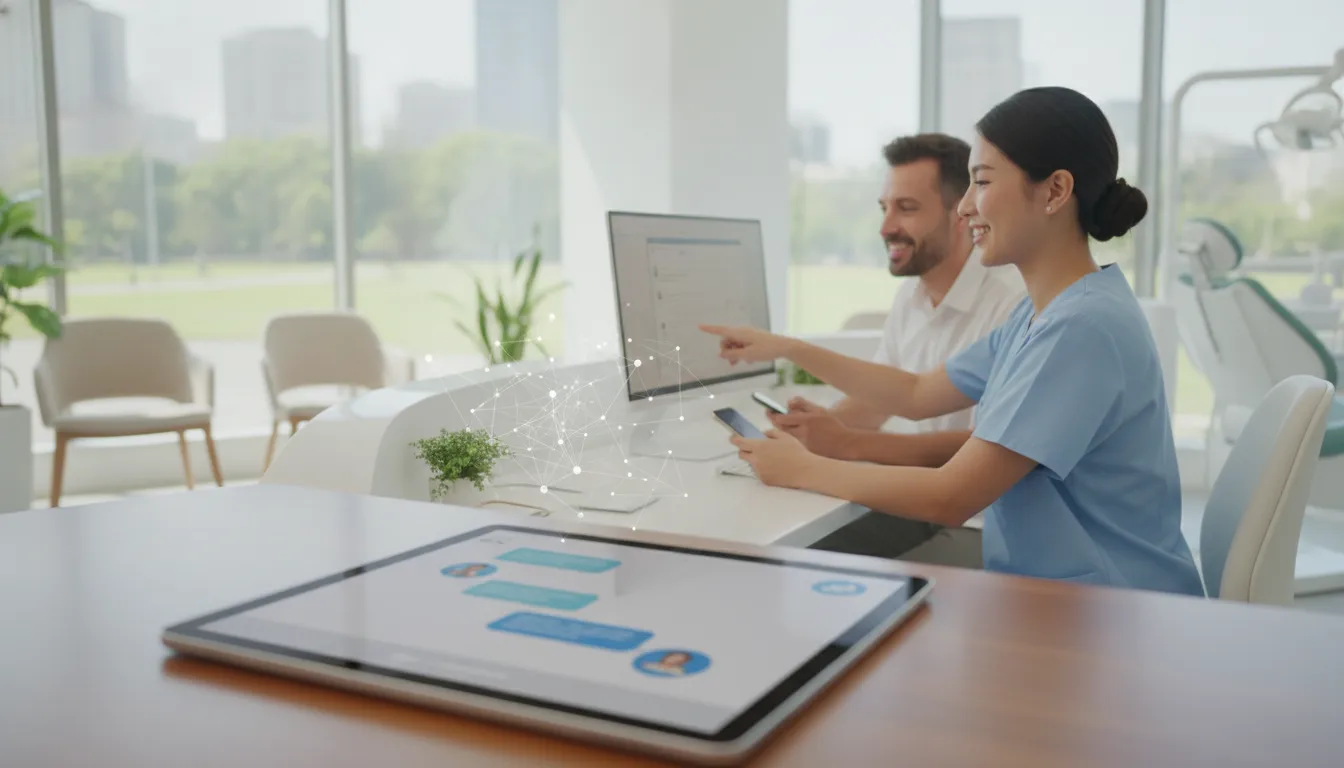
Summary: To handle replies to dental reactivation texts effectively, establish a clear response system that ensures prompt attention to patient inquiries, reducing the risk of losing appointments. Utilize AI tools like Clincy to automate responses, providing timely and personalized replies, which enhances patient satisfaction and frees up front desk staff to focus on in-office tasks.
A striking 69% of the 1,248 dental clinics listed in directories have a rating of 4.5 or above, yet many practices still have trouble bringing overdue patients back in. That gap is real. For dental office managers and owner-dentists, overdue patients and unscheduled treatment plans are part of the daily grind. Open Dental usually holds those lists, so the work has to compete with today’s appointments. Some patients slip away. This article looks at how to handle replies to dental reactivation texts and gives practical guidance on reactivation scripts, outreach methods, and how to judge AI tools.
Key Takeaways
- Patient reactivation matters: Getting overdue patients back can increase completed visits and practice revenue.
- AI tools cut down the load: AI tools like Clincy can manage patient follow-ups, so front desk staff spend less time chasing replies.
- Good scripts change results: Strong reactivation scripts can raise patient engagement and appointment bookings.
- Open Dental integration helps: Connecting with systems like Open Dental keeps patient interactions tracked and easier to manage.
- Patient preferences matter: Knowing how patients want to be contacted can keep messages from feeling pushy and can improve reply rates.
- Cost considerations: It’s worth comparing the monthly price of AI tools with what they return to the practice.
At a Glance
| Feature | Benefit | Consideration |
|---|---|---|
| AI Tools | Handles follow-ups | Monthly cost |
| Reactivation Scripts | Raises engagement | Script quality |
| Open Dental Integration | Makes management easier | Setup workload |
| Patient Preferences | Improves satisfaction | Needs tracking |
How to Handle Replies to Dental Reactivation Texts
Handling replies to dental reactivation texts well can change how patients respond. A clear, short response system makes sure patient questions get answered quickly, which lowers the chance of losing a booked visit. Using AI tools like Clincy can take over those replies, so each patient gets a quick message that feels personal. That helps patients feel looked after. It also gives front desk staff more time for in-office work.
A working reply system starts with a protocol that puts fast answers first. One team member can handle reactivation replies. An office can also use automated responses for common questions. Patients book more often when they feel heard and respected. Tone matters. Staff should also be trained to handle harder questions with empathy and patience, since those conversations can decide whether a patient comes back.
Crafting Effective Dental Reactivation Scripts
Good reactivation scripts matter when you want patients back and need them to book again. The script should fit the patient, with language shaped by that person’s history and needs. Using our Dental Patient Reactivation Scripts can give the office a starting point, and it keeps the message professional and persuasive.
When you write these scripts, empathy and urgency both belong in the mix. A note that mentions a patient’s last visit and shows real concern for oral health feels more human. Offering a discount or priority scheduling can also nudge people to act. Scripts should be updated often, based on patient feedback and engagement numbers. Practices should also split patient lists into groups so the wording fits different ages, histories, and needs.
The Role of AI in Patient Reactivation
AI tools, including the ones from Clinads, matter here. They handle patient follow-ups and the tangle of unscheduled treatment, so the front desk isn't stuck swimming in callbacks and reminder notes all day. They can sort through large patient files, send messages that feel specific, and keep the tempo steady. Staff get breathing room.
These systems can read patient data and spot patterns. They can even guess which people are likeliest to answer a reactivation message. That helps a practice aim outreach at patients who are more likely to book. Over time, the system learns from replies and missed replies, then shifts its approach. That feedback loop is useful. Practices should also look at how AI links with other digital tools, because that changes how smooth the patient side feels.
Integrating AI Tools with Open Dental
Open Dental needs clean integration. Without it, patient interactions get lost, and the record turns sloppy fast. AI tools that connect with Open Dental can update charts on their own, which cuts down on errors and keeps the whole team looking at the same status and history. Our Open Dental reactivation walkthrough gives detailed guidance on this process.
Getting AI into Open Dental means setting up data sync across systems. When AI sends a message or records a reply, that change should show up in the patient file right away. Consistency matters here. So does staff training. People need to know how these connected tools work if they’re going to use them well. With AI and Open Dental working together, a practice can keep the workflow cleaner and give patients better follow-through. Regular audits help too. They catch mismatches before they spread.
Evaluating the Cost of AI Tools
Monthly cost matters. So does the return. AI tools for patient reactivation can reduce staff workload and bring more patients back into the schedule, but the price still has to fit the practice’s budget and day-to-day targets. Looking at several options side by side helps. Features vary more than vendors like to admit.
A solid cost-benefit review should include expected appointment growth, the time saved by staff, and the effect on patient satisfaction. It also helps to ask other dental practices what happened after they adopted similar tools. Real numbers beat sales language. Once the financial side and the practical side are both on the table, practices can pick the AI setup that fits their reactivation work best. Scalability matters too. A tool that fits today but chokes next year is a bad buy.
Understanding Patient Preferences in Communication
Patient communication preferences matter. People respond better when the practice reaches out through the channel they actually use, whether that’s text, email, or a phone call. If a practice ignores those preferences, it risks irritating patients and getting nowhere. According to Derrick K Ross DMD - Welcome (2023), understanding and respecting patient communication preferences can significantly enhance patient satisfaction and engagement.
A tracking system makes this easier. Staff can log the preferred contact method in the patient record, then check that information before sending a reactivation message. That keeps the outreach consistent across the office. It also feels more personal, which helps build trust and pushes people toward booking sooner. Preferences change, though, so they should be reviewed now and then. A stale record helps no one.
Conclusion
Reactivating overdue patients is a big part of keeping a dental practice healthy. Good reactivation scripts matter. So do AI tools, and so does respect for patient preferences. Put those pieces together, and practices can get more replies, more completed visits, and fewer awkward dead ends in the schedule. Cost still has to be checked against benefit, because the right tool for one office may be a poor fit for another. Taken as a whole, a careful patient reactivation plan can improve relationships with patients and give the practice a sturdier base.
Frequently Asked Questions
How do I create effective dental reactivation scripts?
Good dental reactivation scripts sound like a person wrote them. Keep them tight. Mention the patient’s history, then speak directly to why they stopped coming in the first place. Templates like our Dental Patient Reactivation Scripts can still help, but only if you use them as raw material and strip out the lines that feel scripted.
What are the benefits of using AI tools for patient reactivation?
AI tools can take on follow-up work that staff never has time to finish. They sort through big patient lists, send messages one at a time, and spare the front desk from repeating the same outreach all day. Replies often arrive sooner. That changes the feel of the whole process.
How can I ensure seamless integration with Open Dental?
Integration with Open Dental works best when the tool writes back to the chart without extra steps. Patient records should update after each contact, so the team can see what happened and what still needs attention. Our Open Dental reactivation walkthrough gives more detail on that setup.
What should I consider when evaluating the cost of AI tools?
Start with the monthly bill. Then set it beside the staff time it saves and the follow-up it takes off your plate. If the numbers fit your budget and your day-to-day workflow, the purchase starts to make sense.
How can I respect patient contact preferences?
Record how each patient wants to be reached. Some people answer texts, some prefer email, and some respond best to a phone call. Keep those preferences current, and you avoid irritating people while getting better response rates.
Recommended resource
Related reading
- Mastering Dental Practice Financial Management
- Attracting New Patients to Private Dental Practices
- How to Choose a Primary Care Provider: A 2026 Guide
- Tucson Hospital Closure: Key Facts for Patients and Clinics
- Using the Open Dental Reactivation List Effectively
- Effective Dental Office Text Messaging Templates
Sources
- Clinads (healthcare startup)
- Clincy (healthcare startup)
- Pediatric Urgent Care in Anaheim | Walk-In Clinic
Where to go next
Clincy keeps treatment conversations moving with personalized texts, human support, and scheduling in your practice management system.
Book CallMore from the blog
Voice vs SMS for Dental Patient Reactivation 2026
Explore voice vs SMS for dental patient reactivation, optimize front desk workflows, and reduce daily chaos with practical strategies and tools.
Dental Treatment Coordinator Follow-Up Workflow 2026
Explore effective follow-up strategies and AI tools for dental clinics, featuring insights from 1,796 listings across 567 cities as of September 2026.